
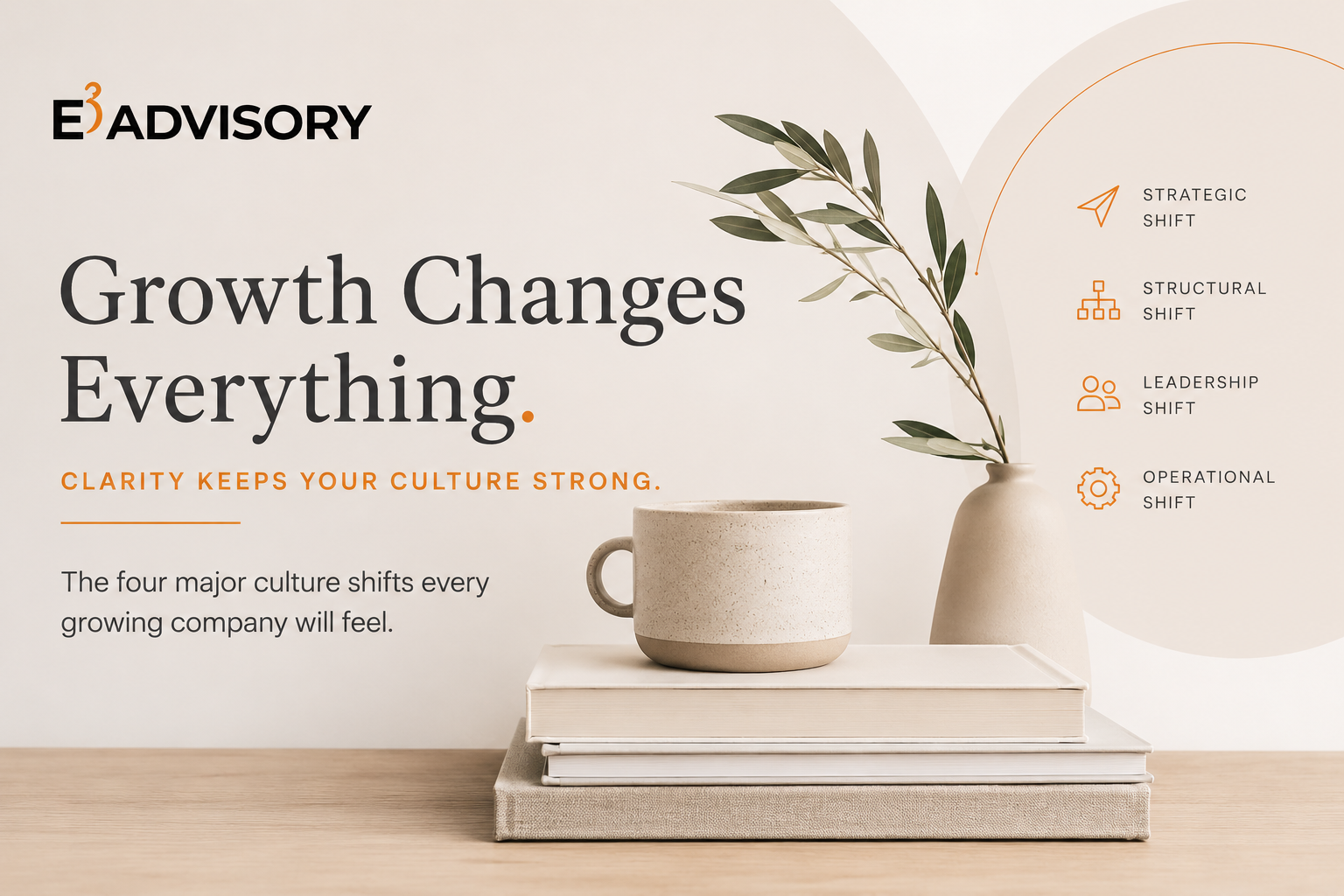
Four Culture Shifts Every Growing Company will Feel
Growth Chages Everything.
Culture does not usually change all at once.
It shifts.
Sometimes those shifts are intentional. Sometimes they happen quietly as the business grows, priorities change, leaders move, or the way work gets done evolves.
For business owners, the key is not preventing culture from changing. Growth requires change. The key is recognizing when the culture is shifting and creating enough clarity, trust, and structure so your team can move with the business instead of feeling left behind by it.
There are four major culture shifts companies often experience as they grow: strategic, structural, leadership, and operational.
1. Strategic Shift
A strategic culture shift happens when the company’s priorities change.
As a business grows, what mattered most in one season may not be what matters most in the next. New goals, new customers, new revenue targets, new service lines, or new market conditions can all require a different direction.
That change may make perfect sense to the owner. But the question is whether the team understands it.
When priorities shift, employees need more than a new goal. They need clarity around why the direction is changing, what success looks like, and how their role connects to the bigger picture.
Questions to ask yourself:
Do my employees understand and believe in the new direction?
Are the goals clearly defined?
Have I created enough clarity for my team to know what matters most right now?
As the owner, your role is to connect the strategy to the people who are expected to execute it. Without that connection, even the right strategy can create confusion, hesitation, or disengagement.
2. Structural Shift
A structural culture shift typically happens when the business reorganizes to deliver more effectively.
This is common in growing companies. Roles change. Reporting lines shift. New layers of leadership are added. Responsibilities move. Processes that once worked become too informal or unclear.
These changes are often necessary. But they can also create uncertainty if employees do not understand where they fit, who owns what, or how decisions are now being made.
Questions to ask yourself:
Are accountabilities and relationships clearly defined?
Are gaps being identified and resolved quickly?
Do employees still see a future and career path here?
Structure should create clarity, not confusion. When roles, responsibilities, and career paths are unclear, culture can quickly shift from collaborative to cautious.
As the owner, it is important to not only design the structure, but also communicate it, reinforce it, and make sure employees understand how they can continue to grow within it.
3. Leadership Shift
Leadership shifts happen in every organization.
New leaders join. Existing leaders take on broader responsibility. A new layer of management is created. A strong individual contributor moves into a leadership role. The leadership structure evolves because the business has outgrown the way decisions were previously made.
These shifts can have a significant impact on culture because employees often experience the company through their direct leader.
When leadership changes, employees are not just asking, “Who is in charge now?” They are also wondering, “Can I trust this person? Do they understand my work? Will they support me? Will I still be seen?”
Questions to ask yourself:
Do employees trust and feel seen by their new leader?
Are leaders receiving developmental feedback to help them grow?
Have we clearly defined what strong leadership looks like in this stage of the business?
As businesses grow, leadership cannot be left to instinct alone. Leaders need support, feedback, expectations, and development. Culture is shaped by what leaders model, tolerate, recognize, and communicate every day.
4. Operational Shift
An operational culture shift happens when how the work gets done changes.
As revenue grows, the old way of working may no longer be sustainable. The systems, communication habits, workflows, and decision-making processes that worked at one stage may begin to create friction at the next.
This is where many growing businesses feel pressure. The team may be working harder, but not necessarily better. Employees may still be trying to go above and beyond, but without the right tools, resources, or clarity, that effort can eventually turn into burnout.
Questions to ask yourself:
Are teams resourced and enabled to perform their best?
Is the way we work still supporting the level of growth we are pursuing?
Does going above and beyond still feel worth it to the employee?
As the business changes, what employees are recognized for may also change. What made someone successful before may not be what the business needs from them now. That does not mean their contribution is less valuable, but it does mean the owner must help connect the work to its purpose and worth.
Employees need to understand not only what is changing, but why their work still matters.
Culture Shifts Are Not the Problem
Culture shifts are a natural part of growth.
The problem happens when those shifts go unnamed, unexplained, or unsupported.
As your business grows, your strategy, structure, leadership, and operations will all evolve. The question is whether your culture is evolving with intention or reacting to change after confusion has already set in.
Owners who create clarity, define expectations, develop leaders, and stay connected to how employees experience the work are better positioned to grow without losing the culture that helped them get there.
Growth changes the business.
Clarity keeps your people connected to it.
Executive Insights: Results
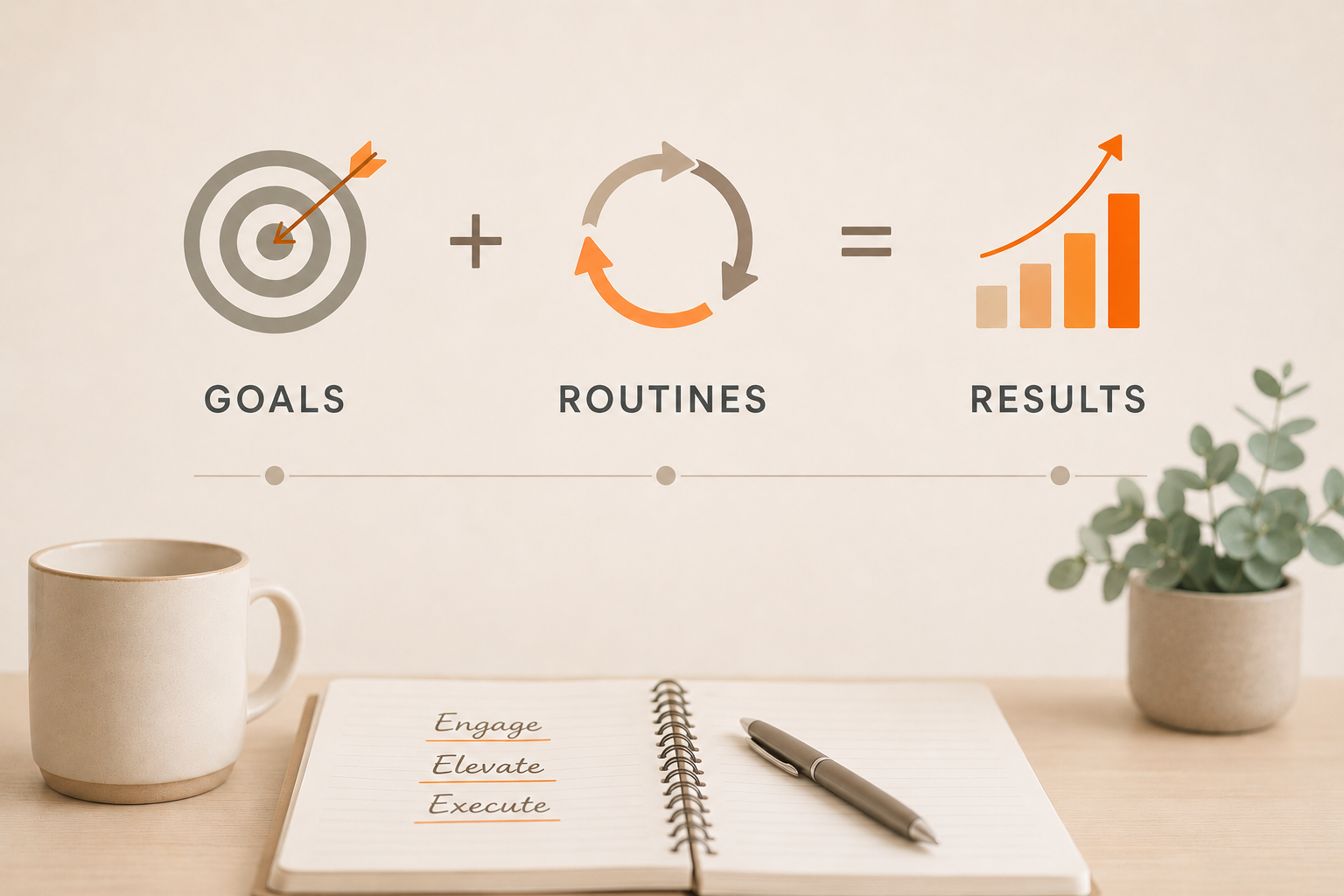
Goals + Routines = Results
Most leaders understand the importance of setting goals.
The challenge is that goals alone rarely create results.
In my experience working with leadership teams and business owners, frustration often occurs when one critical part of the equation is missing:
Goals + Routines = Results
A business may have ambitious growth targets, customer experience objectives, profitability goals, or leadership development initiatives. Yet progress stalls because there aren't consistent routines in place to support those outcomes.
The routine might be:
Weekly leadership accountability meetings
Regular KPI reviews
Consistent one-on-one coaching conversations
Structured follow-up on priorities
Clear communication rhythms across the organization
Without routines, goals remain intentions.
With routines, goals become habits. And habits create momentum.
One of the most rewarding parts of my work is helping leaders identify the missing piece. Often, they already know where they want to go. They simply need the right structure and cadence to support the journey.
As routines become consistent, accountability improves. Communication becomes clearer. Teams gain traction. Progress becomes visible.
And what once felt frustrating starts feeling achievable.
Results rarely come from setting bigger goals.
More often, they come from building the routines that make those goals possible.
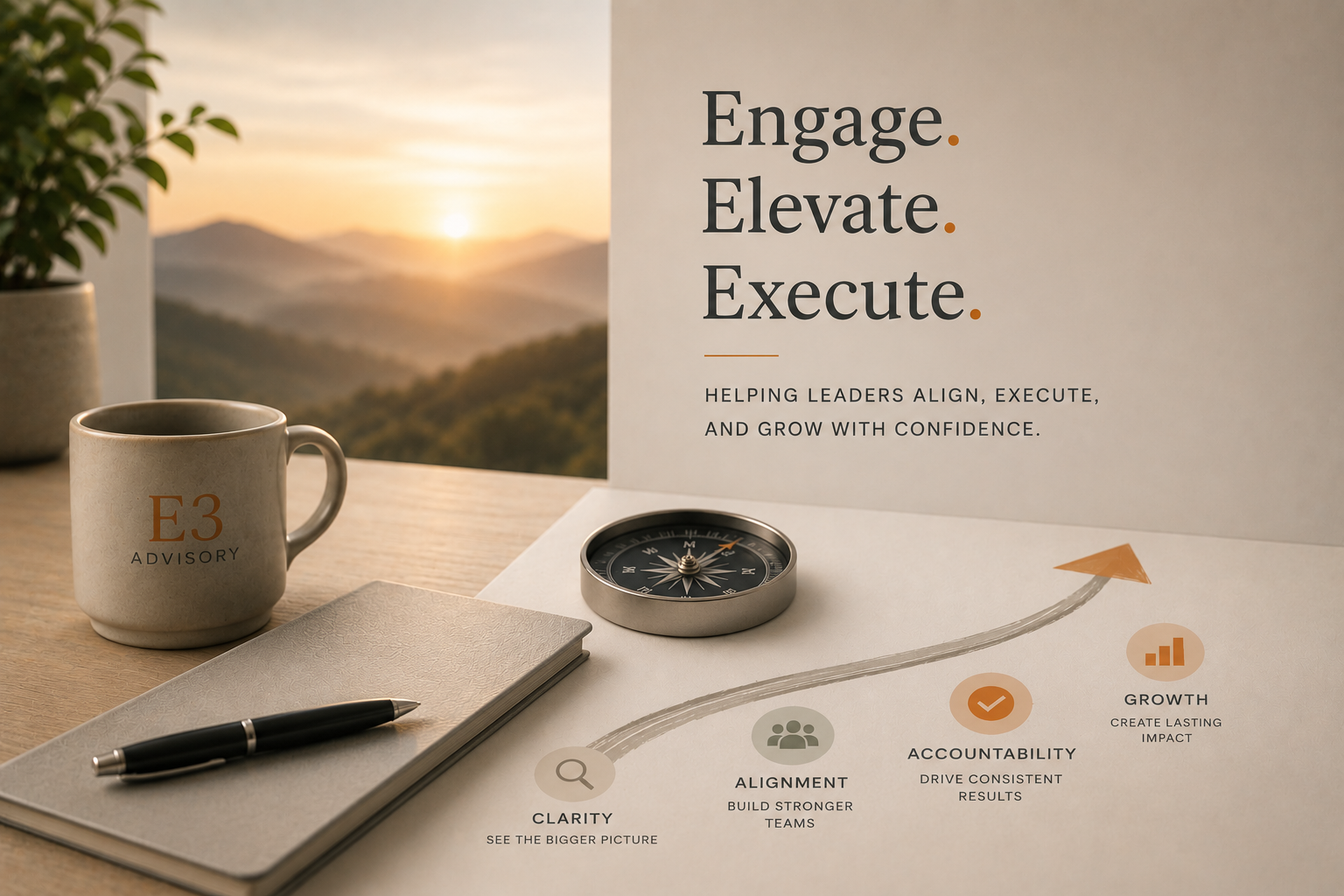
Feedback isn’t the goal. Sustainable change is.
It All Begins Here
One of the biggest lessons I've learned throughout my leadership career is that identifying a problem rarely creates lasting improvement.
Early in my career, providing feedback came naturally. I could quickly identify performance gaps, operational breakdowns, or opportunities for improvement and communicate them clearly. In many cases, the immediate issue was addressed.
But over time, I noticed something important.
Correcting a task and creating sustainable change are not the same thing.
As I transitioned into advisory and consulting roles, my approach evolved. Rather than focusing solely on the gap itself, I began focusing on what would motivate leaders to take ownership and create lasting improvement.
Today, when I identify an opportunity for improvement within a business, I follow four simple principles:
1. Create Awareness
Before anything can improve, leaders must clearly understand the gap. Sometimes the issue is visible. Other times, competing priorities, daily operational demands, or organizational blind spots prevent leaders from seeing the problem entirely.
The first step is creating awareness without blame.
2. Clarify the Impact
Awareness alone rarely drives action. Leaders need to understand why the issue matters. How much time is being lost? How is it impacting team performance, customer experience, profitability, or growth?
When leaders can clearly see the business impact, the conversation shifts from a problem to an opportunity.
3. Provide Support
Knowing what needs to change is different from knowing how to change it.
Whether it's helping define a process, improve communication, establish accountability, or create a clear path forward, support accelerates progress and builds confidence. Sustainable improvement happens when leaders have both clarity and practical tools.
4. Reinforce Progress
One of the most overlooked leadership practices is acknowledging positive action.
When leaders take steps to close a gap, strengthen execution, or improve accountability, recognition reinforces the behavior and encourages continued progress. People are far more likely to sustain change when their efforts are noticed and appreciated.
Creating Momentum Through Leadership
The lesson I learned was that meaningful progress doesn't come from pointing out problems. It comes from helping leaders understand the opportunity, supporting them through the change process, and reinforcing the behaviors that drive results.
Whether you're leading a team, growing a business, or navigating operational challenges, the goal isn't simply to identify what's broken. The goal is to create the awareness, alignment, and accountability needed to build lasting improvement.
Because feedback is information.
Execution is where growth happens.